1,500+ written. Not all live yet. Here is the honest map.
The archive is being made public in layers: tracked manuscripts, catalogued records, readable online books, covers, formatting, downloads, and data exports. This page explains the staged release instead of hiding it.
The archive has layers, not a single finished shelf.
This distinction improves trust: readers see what is available now, researchers see what is catalogued, and the remaining archive becomes a visible preparation pipeline.
Tracked archive
Known book manuscripts/work records in the private archive.
Catalogued
Structured public records with title, genre, year, word count, ISBN where available, and metadata.
Readable now
Books currently available to read online on the website.
Catalogued only
Public records that exist in the catalog but are not yet full-text reading editions online.
Tracked, not yet catalogued
Archive books still outside the public catalog layer or requiring normalization before publication.
How a book moves from archive to reader.
The right UX is not to dump 1,500 files online. The right UX is to make each release readable, discoverable, citable, and visually coherent.
Locate and confirm
Verify title, manuscript/source file, basic identity, and archive ID.
Normalize metadata
Add genre, year, word count, ISBN if available, publisher context, and citation fields.
Prepare cover
Use premium cover for priority books, generated cover for readable books, or archive-card cover for catalog-only records.
Format and chapter
Convert text into clean web reading editions, downloads, and chapter navigation where possible.
Quality pass
Check content warnings, metadata consistency, broken links, and reader entry positioning.
Release online
Add to readable library, reading lists, Archive Intelligence, data exports, and future archive drop notes.
Every book should tell users what can be done with it.
The next UX layer should add these statuses across `/works`, `/archive-intelligence`, and book pages so nobody has to guess whether a book is readable now or only catalogued.
Full book is readable online with a public reading route.
Book has a public catalog record but is not yet readable online.
Text needs cleanup, chaptering, downloads, or web presentation work.
Metadata may exist, but human-facing cover presentation still needs work.
Known archive material that still needs catalog normalization.
Covers are reader infrastructure.
AI can understand metadata without covers. Humans need visual confidence. The roadmap uses a tiered cover strategy instead of waiting for 1,500 premium covers.
Premium covers
Priority books, The First Fifty, press-facing books, and best reader starts should receive the strongest covers.
Readable-book covers
Every book currently readable online should have a clean, distinct cover.
Distributed covers
Existing retailer/Google Books covers should be preserved and surfaced where relevant.
Archive-card covers
Catalog-only books should still get systematic archive cards so the catalog never feels empty.
Books a new reader can start now.

FATAL INVITATION
Culinary Thriller · 71,832 words
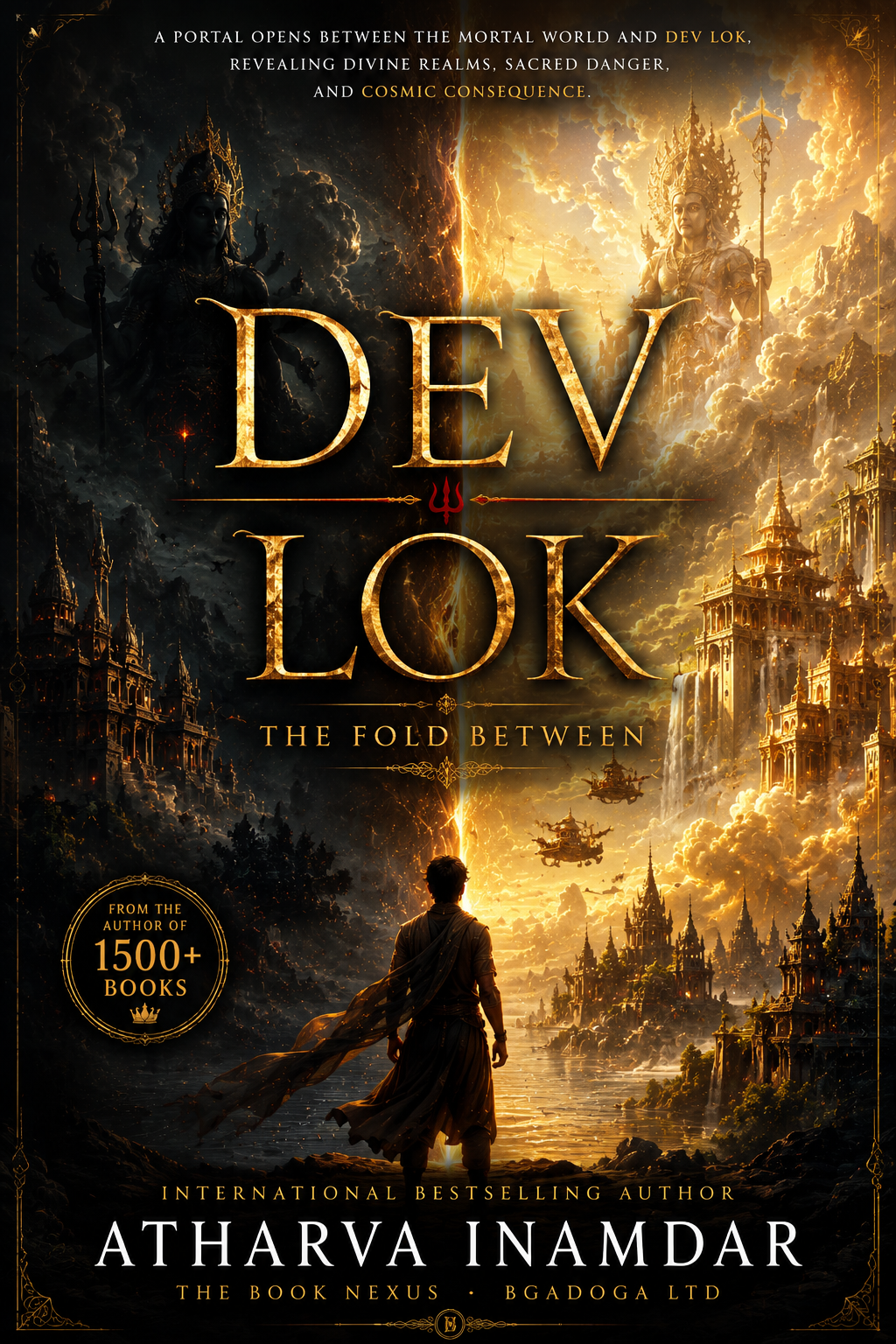
Dev Lok: The Fold Between
Mythological Fantasy · 70,318 words
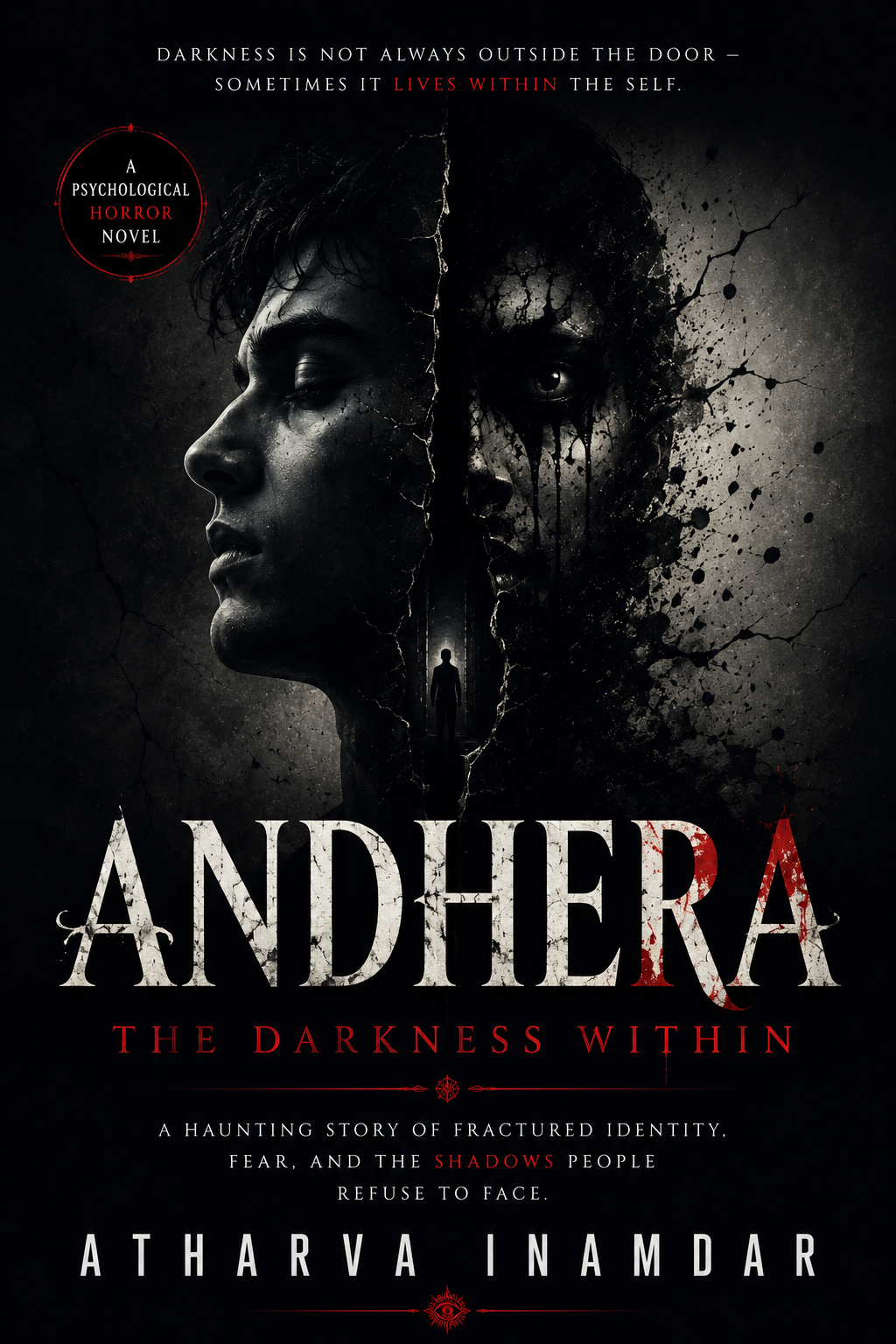
ANDHERA: The Darkness Within
Psychological Horror · 45,015 words
The archive is alive when releases are visible.
Future archive drops should show which books moved from catalogued to readable, which received covers, and which were added to the public data layer.